


The tourism industry in the Algarve region in southern Portugal has exploded in recent decades. The Algarve is known for its 300 days of sunshine a year, its endless sandy beaches and its blue ocean.
But winegrowing also has a long tradition in the Algarve, and in fact, countless bottles of high-quality wine are produced there every year. Who would have thought?
Below, you will not only gain a closer insight into the holiday paradise of the Algarve, but also be introduced to the surprisingly long history and current developments of winegrowing in the Algarve.
The diversity of the Algarve
The Algarve, or "Europe's sunniest coast", is located in southern Portugal and is certainly one of Europe's most popular holiday destinations. With its breathtaking cliffs, golden beaches and historic sites, it attracts hundreds of thousands of tourists every year.
The sea
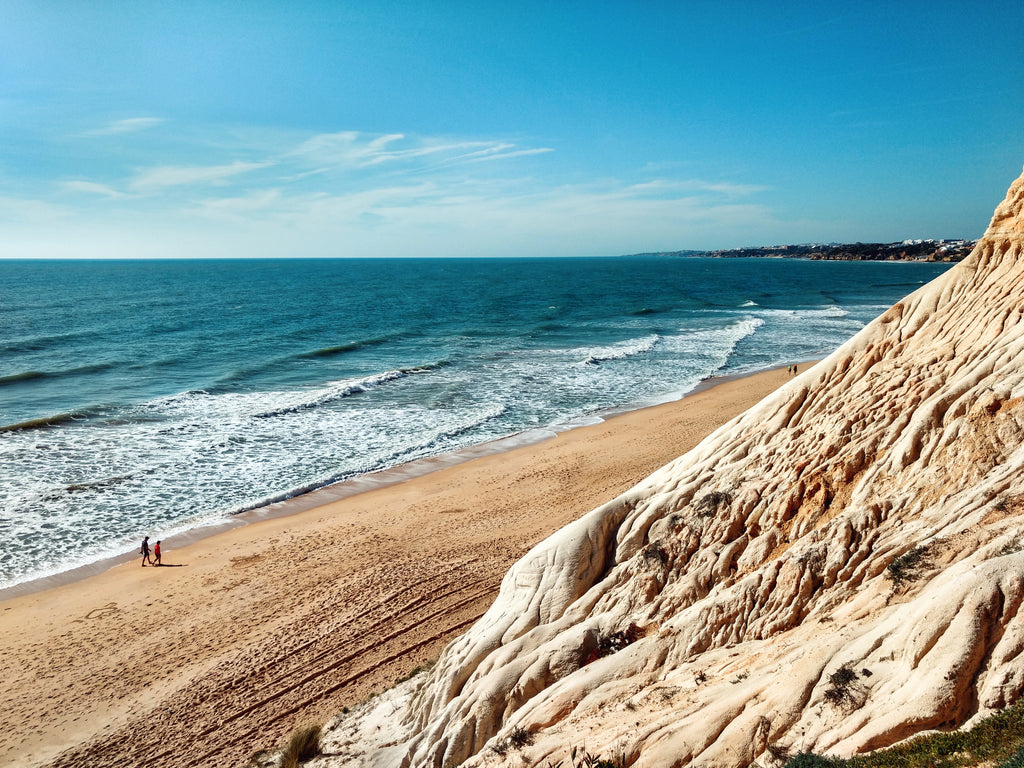
The sea in the Algarve, which reflects a variety of shades of blue depending on the time of day, invites extensive water sports and swimming fun and also offers the perfect opportunity to admire the wildlife.
Sports

Many sports enthusiasts and golfers are also drawn to the Algarve by its wide range of activities as well as its miles of carefully manicured lawns and golf courses.
Every place in the Algarve has different facets and offers different activities, with Albufeira, Faro, Lagos and Tavira certainly being among the best known.
Cuisine
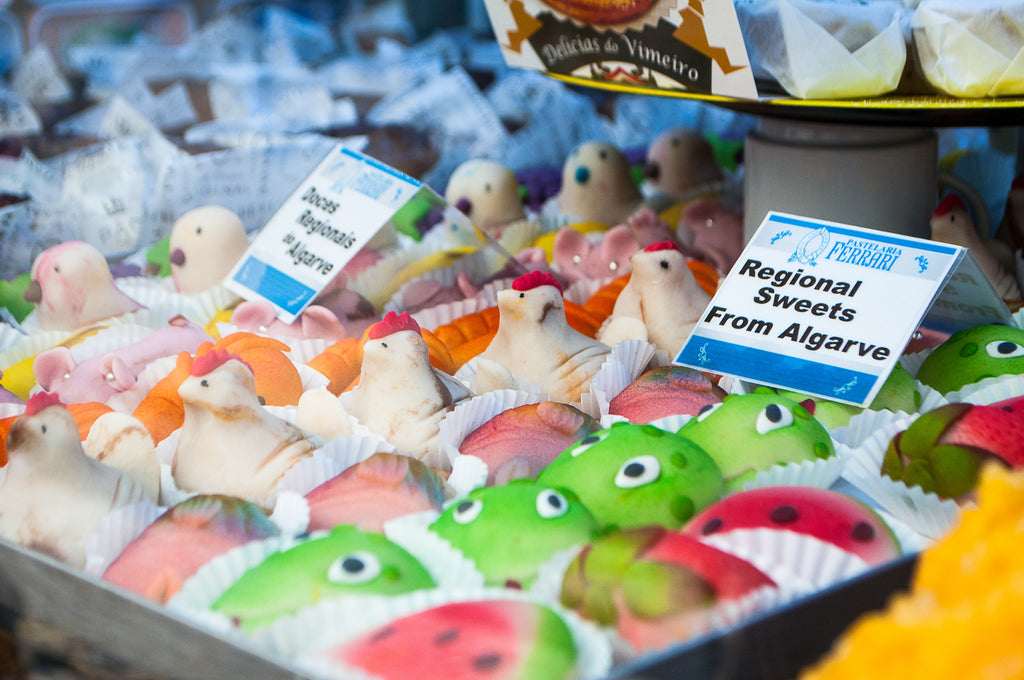
These places do, however, share an important commonality: the wide range of restaurants, bars and eateries. For food and drink are considered special friends on the sunny coast.
It offers the exquisite cuisine of fine restaurants, but also many traditional local eateries. There, fresh fish or meat dishes and Portuguese wine grown especially for this purpose can be purchased at affordable prices.
Thus, wineries and fishing are particularly important sources of income on Portugal's southern coast, with the Portuguese people themselves consuming around 70 kg of fish a year - more than any other European.
Tourists can experience this diversity of fish and seafood firsthand at the Algarve's markets in huge market halls. Another important source of income is the cork industry, but more on that later.
Culture
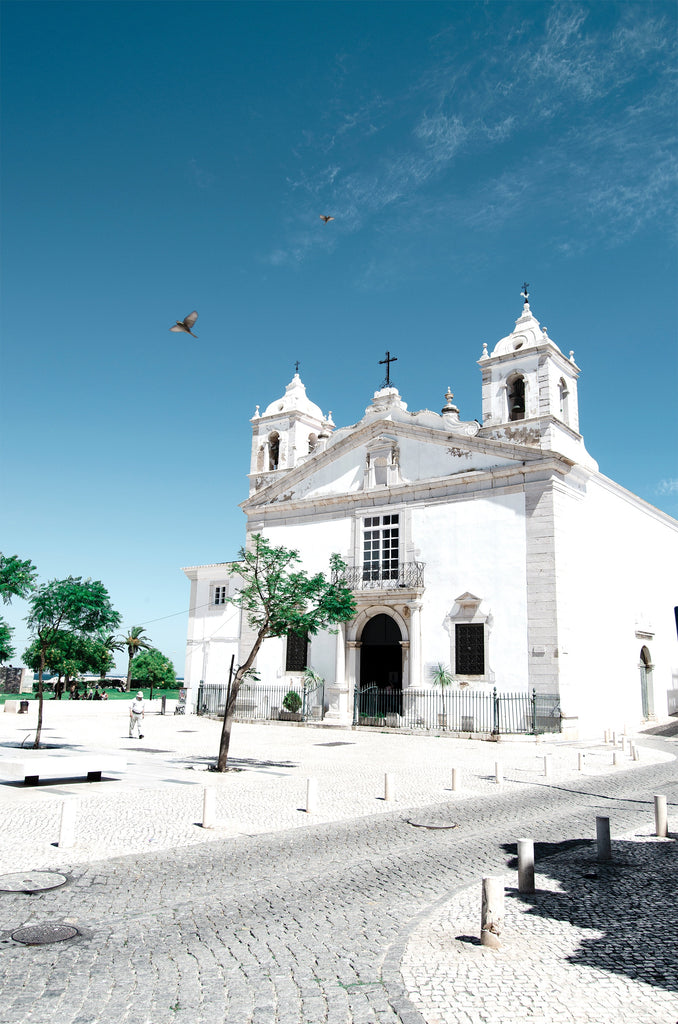
On walks through the picturesque streets of the villages, you will quickly notice that there is no shortage of culture in the Algarve. In the streets, chimneys and ceramic works of all kinds can be admired, adorning the roofs and houses.
If you are a fan of day trips, then the Algarve is just the place for you. For the region has a variety of breathtaking castles and churches dating back to centuries past.
Winegrowing in the Algarve

Portugal's winegrowing history is very long and traditional, with its first roots dating back to 2000 BC, when the first grapevines were planted in the Algarve.
Over the following centuries, more and more grape varieties and different production techniques were introduced by ancient peoples such as the Phoenicians, but also the Greeks and later the Romans.
The Portuguese owe their winegrowing to their first merchant fleet. For from the 12th century, winegrowing in the Algarve was so strongly promoted by King Dionysius or the "Peasant King", among other things, that the merchant fleet could be built from the yields.
Wine trade in the Algarve expands
Due to the Treaty of Windsor, signed in 1386 between Great Britain and Portugal, a strong wine trade developed between the two countries. The wine of the Algarve was particularly well received, and its popularity was even recognized by kings in the 15th century.
Wine production in the Algarve and exports to distant countries therefore increased ever more dramatically. For even during the Age of Discovery, wine was exported by sailing ships to distant and still unknown countries.
Decline of the Algarve wine trade
Unfortunately, an earthquake in the year 1755 devastated the Algarve region, and the reconstruction was never properly carried out, which drastically reduced wine production.
Also due to the steadily growing tourism industry of the holiday magnet Algarve, the wine industry suffered another setback decades later.
Some buyers, such as restaurateurs and holidaymakers who bought the good wine from the winegrowers, always found their way back. But many winemakers could not resist the quick money and thus sold their businesses to hotel chains or real estate companies, and the Algarve wine region slowly faded away.
Revival and current development of the Algarve wine industry
The revival came at the end of the last century. With the support of the Algarve Wine Commission, many vineyard areas were restructured and new winegrowing areas were created.
Many were only drawn to the wine of the Algarve again when the British singer Cliff Richard established his own winery there.
The Mediterranean climate of the Algarve: perfect conditions for quality wine
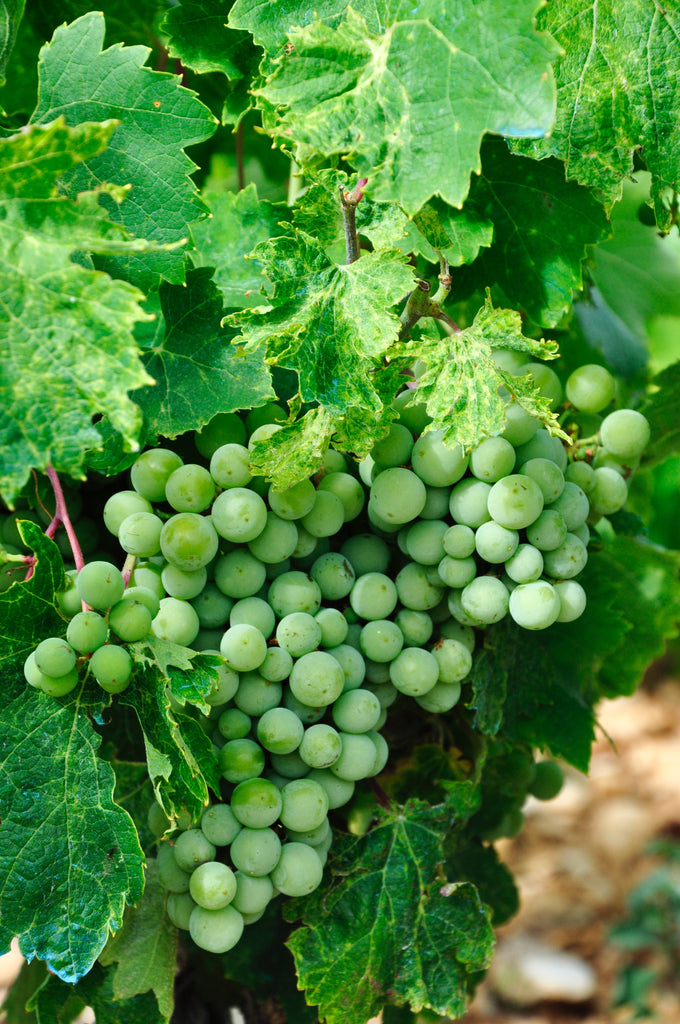
The winegrowing area can be divided from east to west into 4 sub-regions:
-
Lagos
-
Portimao
-
Lagoa
- Tavira
These sub-regions have a wide variety of soil types such as slate, loam, limestone and sandstone, which give the wines of the Algarve their unique character. The soils tend to become sandier towards the coast, although the best sites are more likely to be on the mineral-rich slate.
The Algarve also offers excellent conditions for winegrowing, because it has a particularly Mediterranean atmosphere. Thanks to the mountain ranges of Espinhaço de Cão, Caldeirão and Monchique, the Algarve is protected from harsh weather conditions and thus also from the vines freezing in the winter months.
For this reason, most of the beneficial climatic influences, such as the warm wind, come from the south. Due to the rare rain and the Mediterranean heat, the grapes ripen exceptionally quickly. Thus the wines of the Algarve acquire a wide variety of unique and distinctive aromas.
But why?
The wind from the sea slightly moderates the heat and thus prevents the excessive formation of sugar in the grapes, which would otherwise lead to an excessively high alcohol content.
The vines of the Algarve
These remarkable climatic and territorial conditions produce various types of vines, which are later processed into high-quality wine.
From the places of Lagos, in the west of the Algarve, to Tavira in the east, a variety of white, but mainly red grapes thrive, partly due to the different soil conditions.
Among the most common red grape varieties are Negra Mole and Castelão. The grape varieties Alicante-Bouschet, Tempranillo (Aragonez), Baga, Crato Preto, Cabernet-Sauvignon, Merlot, Syrah, Trincadeira, Petit Verdot and Touriga Nacional are also grown throughout the region.
Siria, Vital and Arinto are meanwhile among the most planted white grape varieties in the Algarve, while international grapes such as Crato Branco, Chardonnay, Muscat d’Alexandrie, Perrum, Rabo-de-Ovelha and Sauvignon can also be found.
The typical wines of the Algarve
The Algarve is rather a red wine region and the best-known wine varieties are made from traditional Castelão and Negra Mole vines.
The number of local white wines is rather limited, although interestingly, some are also made into high-alcohol dessert wines that can be compared to Spanish Sherry.
The Branco, a cuvée made from the grape varieties Arinto and Chardonnay, impresses with its mineral notes and fresh fruit.
Another particularly noteworthy wine is the Reserve made from Alicante Bouschet, Trincadeira and Cabernet Sauvignon, which impresses with its spice and depth.
In principle, the white wines and rosés of the Algarve are pleasantly fresh and crisp, and the red wines have an elegant and aromatic taste with a high alcohol content.
Algarve wine on trend
The wine industry in the Algarve is currently on the rise.
Events such as the PortoBay Wine Week are held to introduce visitors to the world of Portuguese wine.
Furthermore, the wines are presented and promoted at international wine fairs such as the Lagoa Wine Show, the International Tourism Fair BTL in Lisbon or the World Travel Market in London.
In addition, visitor centers such as that of the Barranco Longo winery and the one at the Quinta da Tôr estate are set up, which have wine cellars and tasting rooms and invite interested parties into the world of Algarve wines.
The wine routes of the Algarve
The most influential initiatives that attract the attention of many wine connoisseurs and tourists are the wine routes of the Algarve. In 2013, the tourism authority decided to introduce the Rota dos Vinhos with the accompanying pass. This allows you to visit seven of the regional wineries free of charge and enjoy the wines of the Algarve.
The various wineries are divided into four thematically and territorially different wine routes.
1) The Rota Gil Eanes leads through the area around Lagos.
2) The Rota do Arade explores the wineries around Portimão.
3) The Rota dos Mouros describes the wine villages around Silves.
4) The Rota do Cliff, created in honor of Cliff Richards, takes you through and around Albufeira.
Each wine route has its own individual character, offering tastings, restaurants, and fine wines that delight the senses.
Long live the cork oaks!
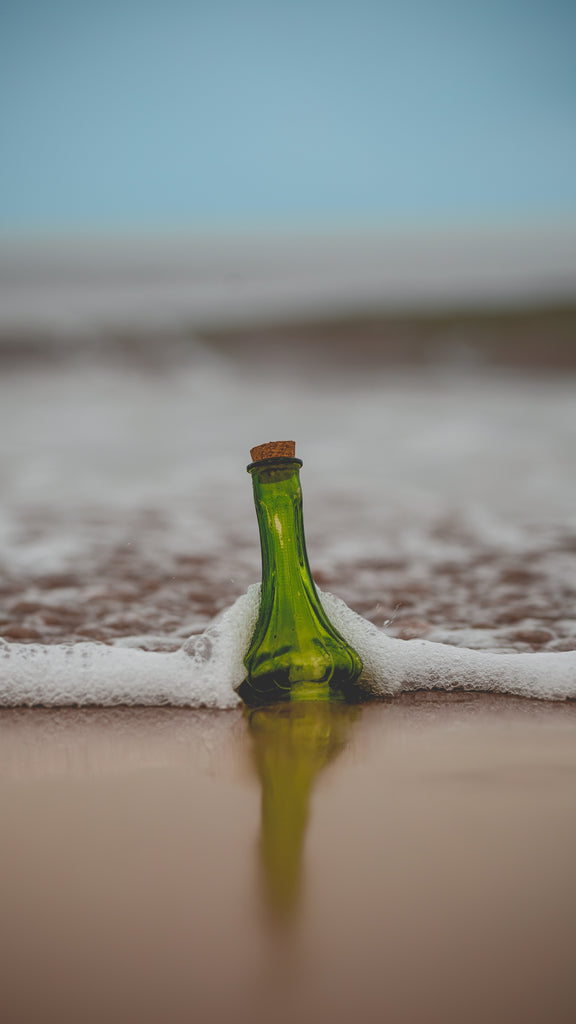
In addition to tourism and viticulture, southern Portugal is known for the production of bottle corks . Portugal is the world's largest cork supplier. About half of all marketed cork products come from Portugal and the Algarve.
Cork is an entirely natural product, more precisely consisting of the dead cells of the bark of cork oaks.
The water-repellent property, which is essential for the production of corks, is provided by the substance suberin in the bark. Initially, only champagne bottles were sealed with corks. But when the wine industry experienced a boom, corks became increasingly in demand here as well.
The cork oak grows to an average height of 10 to 15 meters and remains green all year round. It is largely resistant to forest fires, which occur frequently in the Algarve, especially during the summer months. Otherwise, these cork oaks can live up to 350 years, although the first harvest can only take place after 25 years.
Many Portuguese people, however, assure that only after the first two harvests have taken place - which is only possible every 9 years - can high-quality cork be harvested. The workers perform real hard labor in the process, as they still harvest the cork by hand today.
In the small town of São Brás de Alportel in the western part of the Algarve, according to the locals, grow some of Portugal's best and thickest cork oaks.
Conclusion:
The Algarve is not only picturesque landscapes and beaches, but has so much more to offer. With its unique attractions, its own industries such as cork and fishing, and its first-class wines, which have gained international popularity in recent decades, the Algarve is a compendium of Portuguese resources.
The future of Algarve wines promises a flourishing variety that you should definitely keep an eye on.
About the author

Inara Muradowa is an SEO expert and corporate blogger. In addition to technical search engine optimization and SEO consulting, she actively supports companies with the conception and writing of professional blog posts.

